


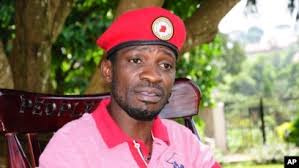
Amidst escalating political tensions, Uganda witnessed a stark demonstration of state control over information when the government ordered an internet shutdown. This event coincided with the arrest of Robert Kyagulanyi, popularly known as Bobi Wine, a prominent opposition leader and musician, marking a low point in the country’s democratic practices.
The Arrest in Context
Bobi Wine, who had risen to political prominence through his vocal critique of the government and his advocacy for change, was arrested in Arua after a by-election turned violent. His arrest was part of a broader crackdown on opposition figures, but what followed was unprecedented. As news of Wine’s detention spread, the government, in an attempt to stifle public discourse and prevent mobilization, blocked access to social media platforms and, to some extent, the broader internet.
The Internet Blackout
The internet shutdown was not an isolated incident but part of a pattern where the Ugandan government has resorted to digital censorship during times of political unrest. This particular blackout was described as a “textbook case of pre-meditated, pre-election internet blackout,” aimed at controlling the narrative and curbing opposition momentum. The shutdown was particularly poignant as it occurred during a time when the internet had become a critical tool for political organizing and information sharing among Uganda’s youth and opposition supporters.
Human Rights Concerns
The move was met with condemnation from both local and international human rights organizations. The shutdown was seen as a blatant violation of freedom of expression and the right to access information. Groups like IFEX and Human Rights Watch highlighted the disproportionate impact on free speech and the ability of citizens to report on or react to unfolding events. The internet blackout not only curtailed political discourse but also affected businesses, education, and daily communications, showcasing the broad implications of such governmental actions.
Bobi Wine’s Detention and Alleged Torture
While the internet was dark, reports emerged of Bobi Wine being subjected to harsh treatment. Upon his brief release, Wine appeared in court with visible injuries, claiming he had been tortured while in military custody. These allegations further fueled public outrage and international scrutiny, with calls for investigations into human rights abuses by Ugandan security forces.
Public Reaction and International Outcry
Despite the blackout, Ugandans found ways to circumvent the restrictions using VPNs, sharing information through alternative means like radio and word of mouth. The international community, including the United States and the European Union, expressed concerns over the clampdown on freedoms. There were demands for the Ugandan government to respect democratic principles and ensure the safety and rights of opposition leaders.
Long-term Implications
The internet shutdown during Bobi Wine’s arrest in April 2019 had lasting implications for Uganda’s political landscape. It underscored the government’s willingness to use draconian measures to maintain control, raising questions about the state of democracy in the country. For many, it was a moment of awakening, galvanizing further opposition to the ruling regime and highlighting the need for vigilant protection of digital rights.
Conclusion
The internet shutdown on April 29, 2019, during the arrest of Bobi Wine, remains a significant episode in Uganda’s recent history, serving as a case study in how governments might seek to use digital censorship as a tool of political suppression. It’s a reminder of the ongoing struggle for democratic freedoms in Uganda, where the right to information and expression continues to be contested terrain.