



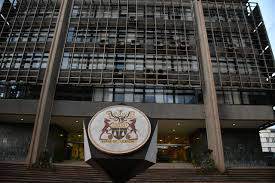
An unfolding financial scandal at the Bank of Uganda has thrust the issue of corruption into the limelight, sparking intense national dialogue and demands for reform. The controversy centers around allegations of unauthorized excess currency printing, leading to a significant erosion of public trust in Uganda’s financial institutions.
Recent revelations have suggested that the Bank of Uganda (BOU) might have engaged in the printing of currency beyond what was necessary, raising questions about the oversight and accountability within one of the nation’s most critical institutions. This has not only led to a public outcry but has also placed pressure on government officials to address these serious allegations.
The scandal came to light after reports detailed how the BOU had printed a significant amount of money, which some parliamentarians and economic experts believe was not justified by the country’s economic activities or needs. This has fueled speculation about potential mismanagement or even deliberate inflation of the money supply for illicit gains.
Public reaction has been swift and severe. Citizens, already grappling with economic hardships, are now voicing their distrust in the financial system. Opposition parties, seizing the moment, have been vocal in their criticism, calling for a thorough investigation into the BOU’s operations. They demand not only accountability but also systemic changes to prevent future occurrences of such financial irregularities.
Parliament has responded by setting up a committee to delve into the matter, summoning key figures from the BOU, the Ministry of Finance, and the Financial Intelligence Authority for explanations. There’s a push for transparency in the bank’s operations, particularly in how decisions about currency production are made.
The debate extends beyond the immediate scandal to broader issues of governance and financial regulation in Uganda. There’s a growing consensus that this incident should serve as a catalyst for reform. Advocates for change are calling for stricter oversight mechanisms, more rigorous auditing processes, and possibly even legislative changes to ensure that the central bank operates with the highest standards of integrity.
The situation has also sparked discussions on social media and in public forums, with posts on platforms like X highlighting the public’s frustration and demand for accountability. This scandal has become a rallying point for those seeking to hold government institutions accountable, emphasizing the need for a transparent and responsible management of the nation’s finances.
As the investigation progresses, all eyes will be on how the government responds to these calls for greater accountability and whether this will mark a turning point in Uganda’s battle against corruption in its financial sector.













Comment Test
I care. So, what do you think of her, Han? Don’t underestimate the Force. I don’t know what you’re talking about. I am a member of the Imperial Senate on a diplomatic mission.
Comment Test 2
I care. So, what do you think of her, Han? Don’t underestimate the Force. I don’t know what you’re talking about. I am a member of the Imperial Senate on a diplomatic mission.