


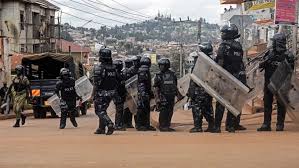
Political tensions across Uganda escalated sharply following the January 15, 2026 general elections, as security forces launched a nationwide crackdown on opposition supporters and protest activity.
According to statements from military officials on January 23, 2026, more than 2,000 opposition supporters were detained in the days following the vote, while at least 30 people were reported killed during clashes with security forces in various parts of the country.
The arrests followed protests in several districts, including the capital, Kampala, where opposition supporters took to the streets alleging electoral irregularities.
Election Dispute Deepens
President Yoweri Museveni was declared the winner of the election, securing another term in office after nearly four decades in power.
However, opposition figures rejected the results, arguing that the electoral process was marred by intimidation, arrests of opposition supporters, and restrictions on political campaigning.
The main opposition party, the National Unity Platform, claimed that its candidate Robert Kyagulanyi—popularly known as Bobi Wine—had been targeted by security agencies both before and after the vote.
Protests and Security Deployment
Violence broke out in several districts shortly after election results began to emerge.
In Butambala District, clashes between protesters and police occurred during the early hours of January 16, with reports of security forces using live ammunition to disperse crowds.
Security checkpoints were also established across Kampala as thousands of police and military personnel were deployed to control demonstrations.
Opposition leaders accused authorities of using excessive force, while government officials insisted that the security deployment was necessary to maintain law and order.
Internet and Media Restrictions
During the same period, authorities imposed restrictions on social media platforms and internet services in an effort to control the spread of information related to the protests.
Digital rights activists criticized the move, arguing that internet shutdowns limited transparency during a critical political moment.
The government, however, defended the restrictions as a measure to prevent the spread of misinformation and incitement to violence.
Uncertain Political Climate
Political analysts say the events following the election have highlighted the deep divisions within Uganda’s political landscape.
As the country moves forward, observers warn that continued political tensions could affect governance, civil liberties, and the broader democratic environment.
For many Ugandans, the weeks following the election have raised difficult questions about the future of political competition and democratic reforms.